
Food.
„Eat food. Not too much. Mostly plants."
A seemingly simple recipe for maximising your health and longevity is currently very hard to implement in practice. Simply because most of the mass produced foodstuffs surrounding us are not real food.
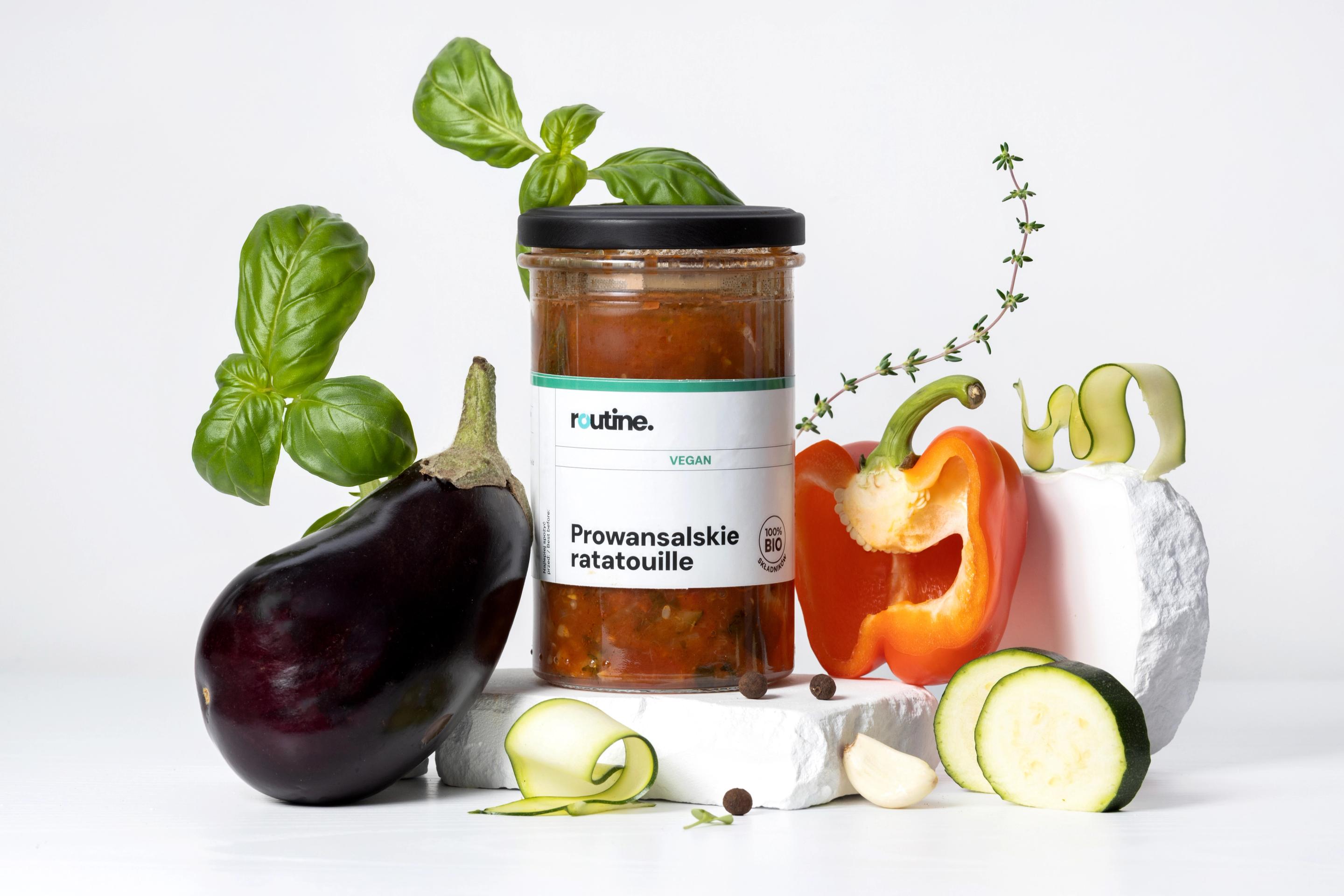
Improving your nutrition choices is the easiest and most valuable change you can make.
It's important what, when oraz and how much you eat.
By making optimal nutrition choices, you positively impact all 12 hallmarks of aging.
Read articleNumbers that matter
9–13 years
by this much a healthy diet can extend predicted lifespan.
9 years
even a 60 year old
13 years
the earlier you change your habits
One of the conclusions from a 2022 study “The Global Burden of Diseases, Injuries and Risk Factors”, is that healthy diet can increase expected lifespan by 13 years. The earlier one changes nutritional habits, the better the results are.
What to include into your diet
- whole grains
- nuts
- leafy vegetables
- root vegetables
- fruit
- fish
- legumes
- fermented foods
What to avoid
- alcohol
- red meat
- sugary drinks
- processed foods
Diet foundations
Where to start
The key to a healthy diet is a volume and diversity of natural ingredients.
routine. ready BIO meals are the foundation of optimal diet. We assume they will make up about a half of your daily food intake.
The influence of food on lifespan
Calculate your result
The scientists behind “The Global Burden of Diseases, Injuries and Risk Factors” study created a “lifespan calculator” showing the influence of diet on predicted lifespan.
The calculator compares two diets, a feasible one and an optimal one, and their effect on predicted lifespan.
Good news is that eating routine. BIO meals 3 days a week fully meets the criterions of the feasible option.
Cooking at home
Take a step further
To make the most from the potential held by food, you'll have to supplement routine. ready meals with fresh leafy vegetables, fruits, vegetables, nuts, fish, and whole grains.
Typically, that means preparing one meal per day – like breakfast or a salad from fresh vegetables
Cooking at home isn't only a way of taking care of yourself and your close ones. It's a proven method for creating habits that positively impact the quality of your whole life.
Culinary workshops
Learn more about workshopsbio.refill
Learn more about bio.refillEco foods
Why BIO matters
BIO foods have significantly more nutritional value and less pesticides.
Industrial agriculture has brought a great increase in quantity, but at the cost of quality.
Research quoted in Brian Halweil's report "Still No Free Lunch" indicates that foods produced with the use of synthetic fertilisers are significantly less nutrient dense, than the same foods grown organically.
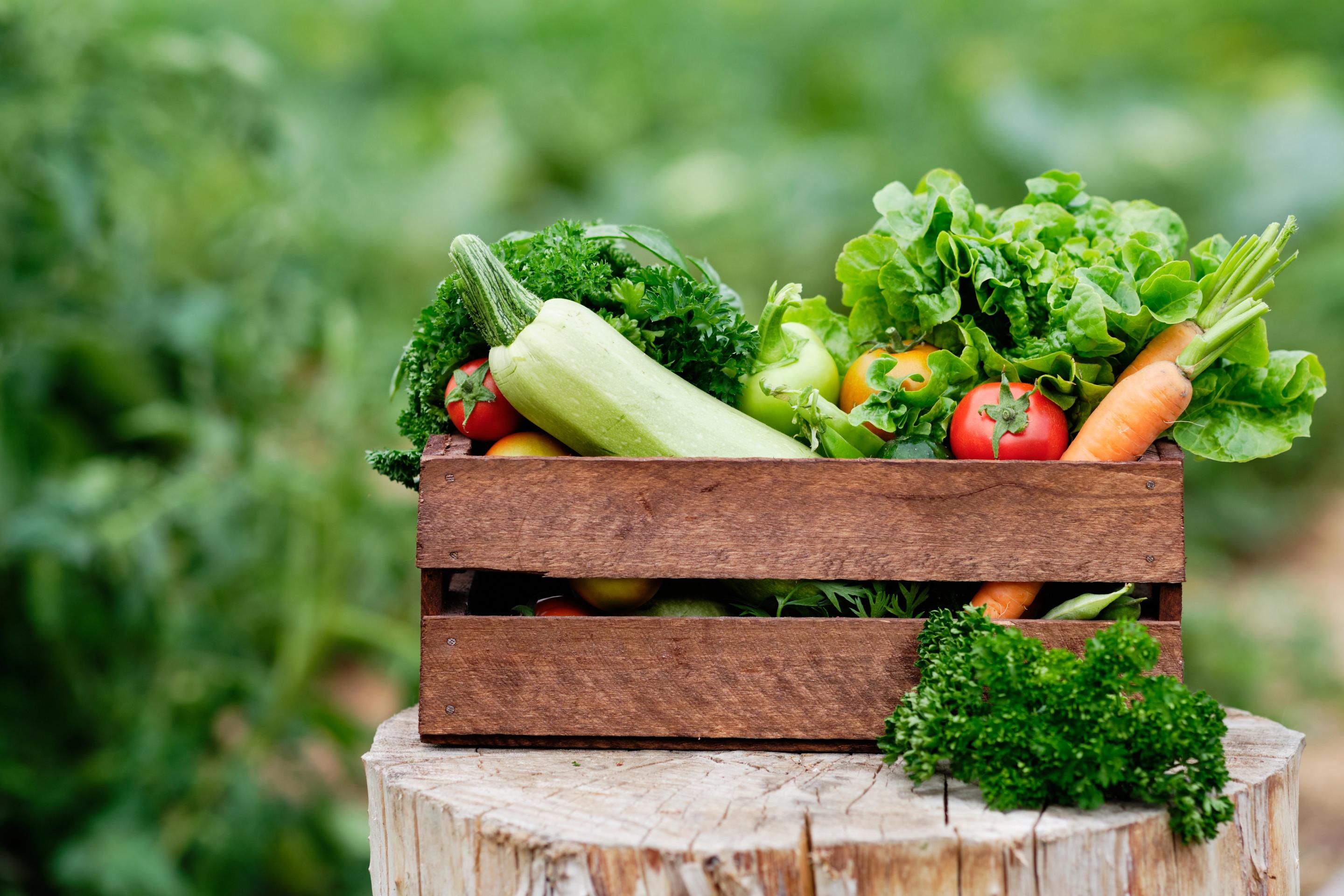
How much nutritional value can differ
The examples below show how much genetic potential lies in different varieties of the same plant – room for further breeding towards higher nutritional value.
Copper: concentrations in spinach and scallions differed by 50% between varieties; apples and strawberries – twofold, potatoes – fourfold, cranberries – up to sixteenfold.
Iron: common bean – a 2.6-fold difference, apples and strawberries – 20–60%, plums – eightfold, cranberries – twentyfold.
Cynk: beans – a threefold difference, peas – 6.6-fold, cassava – fourfold, yam – nineteenfold; spinach leaves – twelvefold, cabbage shoots – nineteenfold.
Phytochemicals: glucosinolate content – compounds with anticancer activity, found mainly in brassicas – differed two- to threefold in Brussels sprouts, sixfold in cabbage and twofold in cauliflower and kale.