
A better tomorrow.
Our choices do matter. Even the smallest, everyday ones, related to food, have an impact on the whole food production and transport chains.
By choosing ingredients from sustainable sources, we don't only get greater nutritional value for ourselves, but also contribute to creating a better tomorrow for everyone.
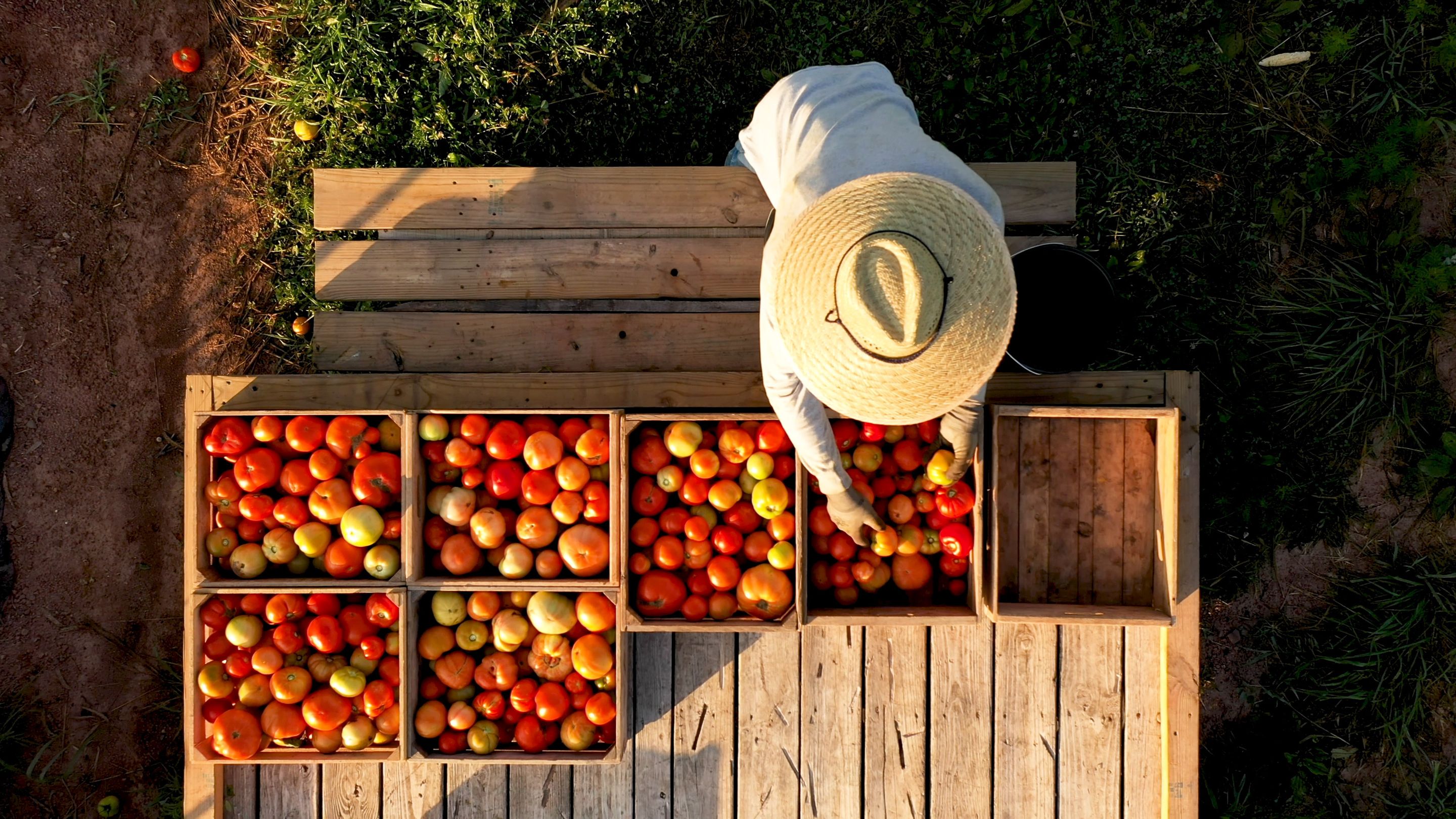
A better tomorrow begins from small daily changes
Let’s pay more attention to the food we buy and its quality.
Let’s go back to buying from local markets and directly from farmers; let’s support co-ops.
Let’s cook as many of our meals as possible, involve our children, and avoid wasting food.
- pay attention to quality of food
- buy directly from producers
- cook by yourself and engage children
- minimise food waste
National Center for Dietary Education
Healthy Eating Plate
In 2020, the National Institute of Public Health PZH – a National Research Institute has substituted the Food Pyramid with a more practical and accessible model – the Healthy Eating Plate.
Its aim is to support adults as well as children, youth, and the elderly in creating balanced daily meals.
EAT – Lancet Commission
A diet healthy for people and the planet
EAT – Lancet Commission is an international, multidisciplinary group of experts focusing on health, farming, sustainable development, and politics.
Its main objective is designing dietary recommendations that simultaneously enhance human health, are equitable, and are able to feed the growing human population without crossing planetary boundaries.
The Planetary Health Diet is mainly based on whole grains, vegetables, fruits, nuts, and legumes. It also contains some fish, diary, and meat, but in significantly smaller quantities.
Rodale Institute
The future is organic
Rodale Institute reminds us that throughout the majority of farming history, natural and organic methods were the norm.
The automatisation and increased use of chemicals in farming has not only brought higher yields, but also soil degradation, loss of organic matter, erosion, water contamination, leftover toxic substances in food, and loss of biodiversity.
The organisation highlights that continuing on this path puts the ability of future generations to produce food at risk; however, positive changes are still possible.
Summary of points made by the Rodale Institute
Chemical farming
- soil degradation
- erosion
- water contamination
- loss of biodiversity
Organic farming
- soil regeneration
- more resilient ecosystem
- protecting our resources
- a better future for food production
Organisations that change the way we think of food
We endorse organisations that use scientific research to educate, and change the way we see human health, food production, and our planet's future.
We want to support their actions by bringing your attention to their initiatives and educational materials.
National Center for Dietary Education (NCEZ)
An institution developing official guidelines regarding a healthy diet for polish citizens. The creator of the Healthy Eating Plate and various educational materials, based on current scientific knowledge.
EAT – Lancet Commission
An international scientific committee, responsible for developing the Planetary Health Diet model – a diet which is beneficial both to human health and the environment.
Rodale Institute
An American research institute focusing on organic and regenerative farming. It publishes studies investigating the influence of the methods of food production on the health of humans and the environment.
A better tomorrow does not come from one big decision. It is created by the sum of small daily choices regarding what we eat, buy, and what production method we support.