

Facts

Progress of science and medicine extended our lifespan, but at the same time hindered our ability to stay healthy and able in later years of our life.

Humans always had ability to adapt to every environment, but only recently we have to cope with incessant stress, overabundance of food, lack of activity and sleep.

Completely new situation for our species!

In modern world most people die from lifestyle-related diseases.

It doesn’t have to be like this:

Even 60 year old can gain additional 9 years of life by changing diet from “western” to whole, unprocessed foods, especially made from plants.
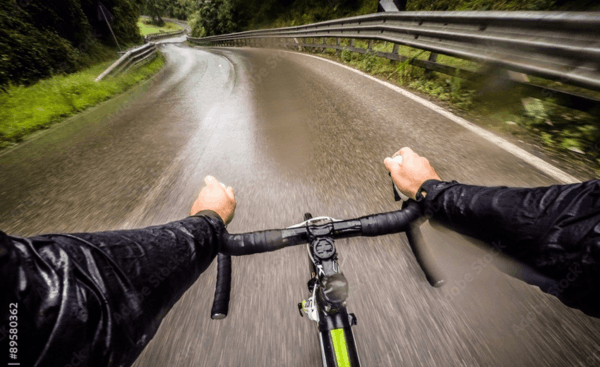
Physical activity halves the risk of death from any cause in people 60 or more years old.
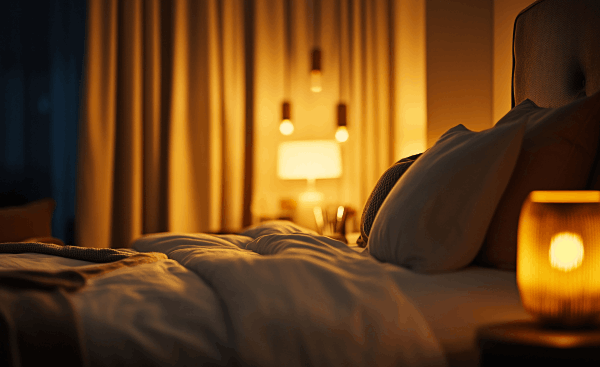
Good sleep allows for healing & repairing of the body, regulates mood and minimizes the risk of chronic diseases like diabetes or hypertension.

Routine is a lifestyle proven in practice. We treat the words of Venki Ramakrishnan, Nobel Prize laureate in chemistry, as a manifesto for a long living, common sense community. There are many of us. You are welcome to join the circle.

In the meantime, we need not sit around and wait for a long period of decrepitude and decline.

Ironically, the very same advances in biology that are the basis of the anti-aging industry also thoroughly validate some age-old advice for living a long and healthy life: diet, exercise, and sleep.

In his book In Defense of Food: An Eater’s Manifesto, Michael Pollan advises us, “Eat food. Not too much. Mostly plants.” This advice is entirely consistent with everything we know about caloric restriction pathways.

Exercise and sleep, as we discussed earlier, affect a large number of factors in aging, including our insulin sensitivity, muscle mass, mitochondrial function, blood pressure, stress, and the risk of dementia.

These remedies currently work better than any anti-aging medicine on the market, cost nothing, and have no side-effects.

Venki Ramakrishnan. “Why We Die.”

Inspirations

  1. “Why We Die”, Venki Ramakrishnan
  2. “Burn”, Herman Pontzer
  3. “Why We Sleep”, Matthew Walker
  4. “Exercised”, Daniel Libermann
  5. “The Circadian Code”, Satchin Panda
  6. “Life Time”, Russell Foster
  7. “The Oxygen Advantage”, Patric McKeown
  8. “Breath: The New Science of a Lost Art”, James Nestor
  9. “Anticancer: A New Way of Life”, David Servan-Schreiber